When you need a typeface that balances vintage charm with modern readability, the Picky Retro Font offers a great solution. This bold display serif brings a distinct, nostalgic feel to projects without sacrificing clarity. Whether you are crafting a new brand identity, designing wedding invitations, or creating print-on-demand apparel, having a reliable retro typeface in your library saves time and keeps your work visually consistent.
What makes this typeface stand out for vintage projects?
The design relies on thick, confident strokes that immediately draw the eye. Unlike some older styles that feel too delicate or overly ornate, this typeface uses a sturdy structure. The slight playful bounce in the letterforms keeps it from feeling too rigid. It works exceptionally well for short text blocks where you want the words to act as the main visual element. The classic elegance of the serifs provides a grounded feel, while the overall silhouette adds a hint of mid-century nostalgia that resonates well with modern audiences looking for authentic, heritage-inspired aesthetics.
How do I pair it with other styles in my layouts?
Because the main characters are so prominent, you need to give them plenty of breathing room. Pairing this style with a clean, geometric sans-serif for your body text creates a nice, professional contrast. If you are working on a restaurant menu or a music poster, you might also mix it with a flowing script for accent words to soften the overall look.
If you are looking for more options to build out your typography kit, you might also want to explore the editorial styles used in print layouts for a more structured approach. Alternatively, if your project leans toward a 1970s aesthetic, checking out the liquid, melting effects could provide the exact psychedelic vibe you need for a specific campaign.
Which industries and projects benefit most from this look?
This specific aesthetic is incredibly versatile, but it truly shines in certain niches. Here is where it performs best:
- Branding and Logos: Coffee shops, barber shops, and boutique retailers often use this aesthetic to convey heritage, craftsmanship, and quality.
- Packaging Design: It looks fantastic on craft paper labels for artisanal goods like hot sauce, craft beer, or organic skincare products.
- Event Stationery: The nostalgic feel is perfect for rustic wedding invites, milestone birthday party flyers, and local concert posters.
If you need something with a bit more thickness for heavy merchandise like hoodies or tote bags, the extra bold variations might be worth a look. On the other hand, if your brand focuses on cozy, homemade goods, the organic, hand-drawn alternatives work better for that specific rustic theme.
What are the best practices for using bold serifs on screen and in print?
When using heavy display serifs, pay close attention to your letter spacing. Tight tracking can make the thick strokes bleed together, especially at smaller sizes or on low-resolution screens. Increase the tracking slightly for headlines to let the unique shapes of each character shine.
In print, ensure you are using high-resolution files and checking your CMYK color profiles so the deep blacks remain crisp. If you are designing for digital screens, avoid using pure black on pure white backgrounds, as the high contrast can cause eye strain with such thick letterforms. Opt for a very dark gray instead.
Before finalizing your next project with this typeface, run through this quick checklist:
- Check the license to ensure it covers your specific commercial use, especially for print-on-demand items or digital templates.
- Test the headline at both large and small sizes to verify the details remain legible.
- Adjust the leading (line height) to accommodate the tall ascenders and descenders.
- Pair it with a highly legible, lightweight secondary font for any necessary body copy.
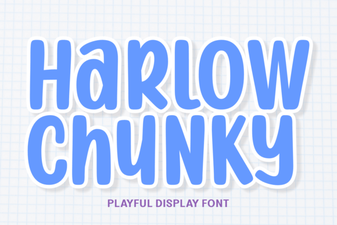 Harlow Chunky Font for Bold Logos and Creative Designs
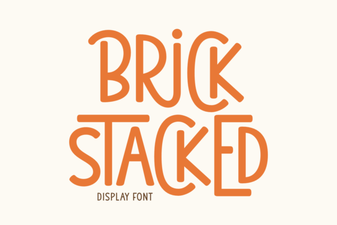 Bold Design Ideas Using the Brick Stacked Font
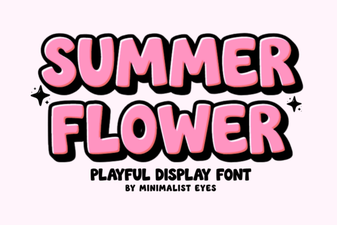 Creative Design Ideas with Summer Flower Font
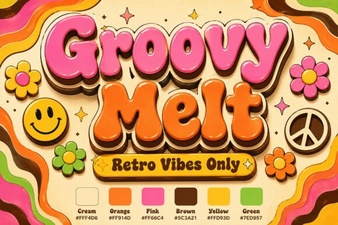 Groovy Melt Font: Retro Typography for Creative Projects
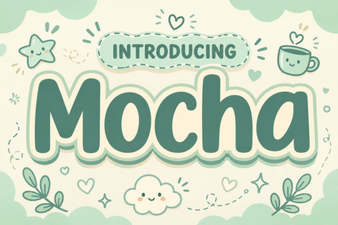 Motcha Font: Creative Typography for Modern Design
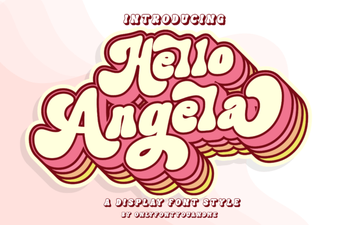 Hello Angela Font: Elegant Typography for Modern Design