If you are looking for a typeface that grabs attention with a raw, nostalgic vibe, the Magazine Design Font is a fantastic choice for your next project. This display font captures the chaotic charm of vintage ransom letters and old newspaper cutouts. It is perfect for designers, crafters, and print-on-demand sellers who want to add a playful yet sophisticated touch to their work. Whether you are creating a striking book cover or a bold Instagram post, this retro-handcrafted style brings a cheerful, obsolete feel that stands out immediately.
How does this typeface actually look on screen and in print?
The visual style of this typeface is heavily inspired by physical paper cutouts and mixed-media text collages. When you use it, you get a robust, chunky look that feels both handmade and highly intentional. The letters look like they were physically cut from old print media and pasted together, giving it a very tactile, authentic feel. It works exceptionally well for brand marketing and packaging because the bold letterforms are easy to read from a distance. For print-on-demand sellers, it looks amazing on T-shirts, hoodies, and tote bags, giving apparel a trendy, thrift-store aesthetic. Small businesses can also use it for social media graphics, where the quirky character helps stop the scroll and encourages engagement.
What other display fonts pair well with this style?
When building a design layout, you often need a secondary typeface to balance out a loud, expressive display font. Finding the right {category} pairing is essential for a professional look. If you are working on a summer-themed project, you might want to pair it with a floral display typeface to soften the overall look and add a natural element. For sports, school, or retro athletic designs, a narrow collegiate style provides a great contrast in weight and proportion. If you are designing something more feminine, like a wedding invitation or boutique logo, a flowing script alternative can add an elegant, personal touch. Beachy or travel projects benefit from a relaxed, breezy typeface, while educational materials or nursery decor might need a whimsical kids font to keep things light, friendly, and readable.
Where should you use this retro-handcrafted typeface?
This typeface truly shines in editorial and publishing layouts. As the name suggests, it is an excellent choice for magazine headers, article pull quotes, and bold chapter titles. It brings a functional design balance to book covers, especially in the thriller, comedy, zine, or retro-fiction genres. Beyond publishing, crafters can use it for scrapbooking elements, digital sticker designs, and vinyl decals. It is also highly effective for event posters, gig flyers, and music album covers where a gritty, DIY aesthetic is desired. The key is to use it for short phrases, titles, or single words, as the intricate cutout details can become visually overwhelming and hard to read in long paragraphs.
Quick checklist for using this typeface in your layouts
- Keep text short: Use it strictly for headlines, logos, or short quotes rather than body text or paragraphs.
- Add subtle texture: Apply a light paper grain or halftone texture overlay to enhance the vintage newspaper cutout feel.
- Prioritize contrast: Pair it with a clean, simple, and highly legible sans-serif for your main body copy to ensure the overall design remains readable.
- Experiment with color: Use clashing, retro color palettes like mustard yellow, burnt orange, and teal to highlight the 90s vintage vibe.
- Mind the kerning: Because the letters have irregular, cutout edges, you may need to manually adjust the spacing between certain characters for a polished look.
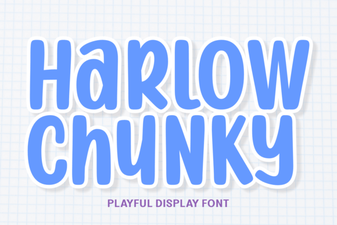 Harlow Chunky Font for Bold Logos and Creative Designs
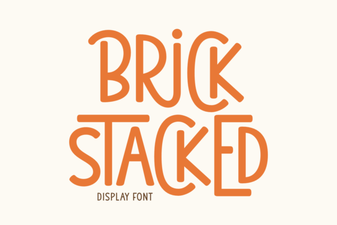 Bold Design Ideas Using the Brick Stacked Font
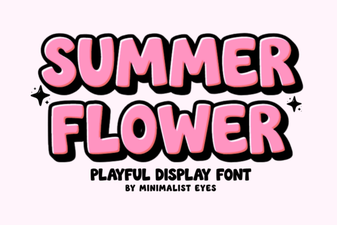 Creative Design Ideas with Summer Flower Font
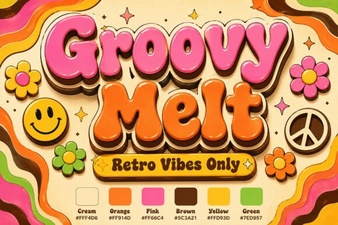 Groovy Melt Font: Retro Typography for Creative Projects
 Motcha Font: Creative Typography for Modern Design
 Hello Angela Font: Elegant Typography for Modern Design