If you are looking for a typeface that brings a playful yet polished vibe to your projects, the Hello Angela Font is a fantastic choice. This display font is designed to stand out, making it perfect for designers, crafters, and print-on-demand sellers who need their work to catch the eye. Because it is PUA encoded, you get seamless access to all the beautiful glyphs and alternates without needing special software workarounds.
How does the PUA encoding actually help your workflow?
Many crafters and small business owners get frustrated when they cannot easily access swashes or alternate letters in their favorite design software. With this typeface, the PUA encoding solves that problem. It maps every single glyph and alternate character to standard Unicode points. This means you can simply type or select them directly in programs like Canva, Silhouette Studio, or Cricut Design Space. You spend less time clicking through character panels and more time actually designing.
Where should you use this typeface in your projects?
Because of its fun and expressive display style, this font works best for larger text sizes. It is ideal for magazine headlines, logo designs, and branding materials where you want a friendly but professional look.
When building a design, pairing fonts is a great way to add visual interest and guide the viewer's eye. Mixing a bold display typeface with a simpler sans-serif or a delicate script creates a professional hierarchy. If you are creating a retro-themed project, you might pair it with something like the Picky Retro typeface for a layered poster design. For summer-themed apparel or mugs, combining it with a breezy style like Coastal Delight creates a nice visual contrast.
If you are working on a trendy coffee shop menu, a warm option like Motcha pairs beautifully for the subheadings. You can also mix it with a stacked option like Brick Stacked for t-shirt graphics, or use a smooth script like Groovy Melt for accent words.
Is it suitable for commercial and print-on-demand use?
Yes, it is highly suitable for commercial projects, provided you have the correct license. Print-on-demand sellers and small business owners frequently use display fonts like this for t-shirt quotes, tote bag prints, and sticker designs. The clean lines and unique character shapes ensure that your designs remain readable even when printed on physical products.
You can find the full character map and download the Hello Angela files directly from the shop. Always read the included license file to understand what is covered. Taking a few minutes to understand these rules protects your business and ensures you can confidently sell your creations without any legal worries down the road.
What are the best practices for installing and using display fonts?
Getting the most out of your new typeface requires a few simple setup steps. Here is what you need to keep in mind:
- Install correctly: Always unzip the downloaded folder before installing the actual font file. Installing directly from a zipped folder often causes errors in design software.
- Restart your software: If the font does not show up immediately, close and reopen your design program to refresh the font list.
- Use the right size: Display fonts have intricate details. Keep them at larger sizes for headlines and avoid using them for small body text where they might become hard to read.
- Explore the alternates: Take a few minutes to open the character map or glyph panel. Finding the perfect swash or alternate letter can completely change the feel of your logo.
- Back up your files: Keep a copy of the original font files in a dedicated folder on your computer. This saves you from having to re-download them if you switch to a new device.
- Test before bulk printing: Always print a single test copy of your design first. This allows you to check the font legibility and ink coverage before committing to a large batch.
Quick Checklist for Your Next Design
Before you send your next project to print or upload it to your shop, run through this quick checklist:
- Check that your text size is large enough to show off the font details.
- Verify that you have selected the correct alternates to avoid repetitive letter shapes.
- Ensure your paired fonts have enough contrast in weight and style.
- Confirm your commercial license covers the specific product you are selling.
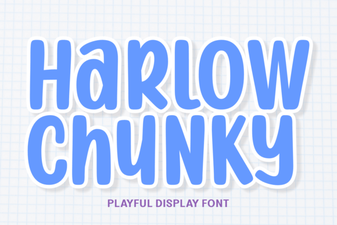 Harlow Chunky Font for Bold Logos and Creative Designs
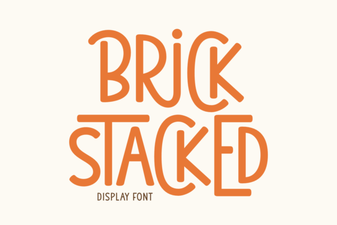 Bold Design Ideas Using the Brick Stacked Font
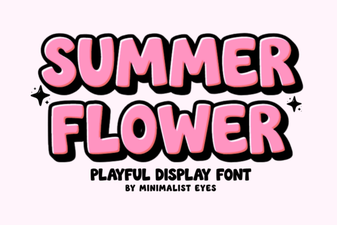 Creative Design Ideas with Summer Flower Font
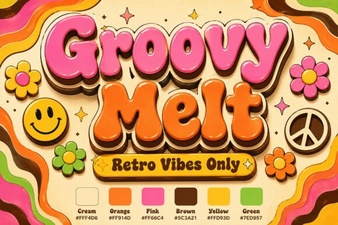 Groovy Melt Font: Retro Typography for Creative Projects
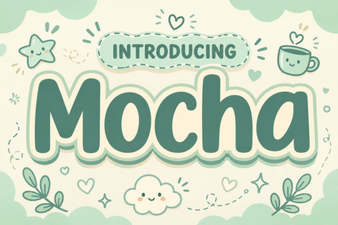 Motcha Font: Creative Typography for Modern Design
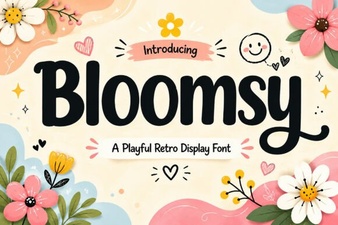 Bloomsy Font: Elegant Typography for Creative Projects