If you are looking for a typeface that feels approachable and sweet, the Bloomsy Font is a fantastic choice for your next project. This playful retro display font uses bold rounded shapes and smooth curves to give your work a warm, handcrafted feel. It is specifically built for designers, crafters, and small business owners who want their branding to feel fun and memorable without looking overly corporate. Whether you are launching a new Etsy shop or updating your local bakery's signage, having the right typography sets the foundation for your entire visual identity.
What makes this retro display typeface stand out for branding?
When you are building a visual identity, the typography needs to match the personality of the product. This font delivers soft, chunky letterforms that instantly grab attention while remaining highly legible. Because of its unique character details, it works beautifully for brands that want to appear friendly, inviting, and modern. You can easily pair it with simpler sans-serif fonts for body text, or mix it with a classic duo script if you want to add a bit of vintage elegance to your packaging and marketing materials.
Which creative projects work best with chunky, friendly lettering?
The versatility of this typeface means you can use it across a wide variety of mediums. Print-on-demand sellers often use it for t-shirt designs, mugs, and stickers, while crafters love it for handmade product branding and scrapbooking. If you are designing a nursery or a children's clothing line, you might pair it with a fun typeface for kids to create a cohesive, joyful look for baby clothes, toys, and room decor.
It also shines in digital spaces, making social media graphics, YouTube thumbnails, and birthday invitations pop off the screen. For physical products, the bold weight ensures readability even on smaller items like candle labels, soap tags, and thank you cards. If your brand leans more toward a relaxed, summery vibe, you could alternate between this font and a relaxed beachy style for your seasonal merchandise and tote bags. Similarly, if you are creating cafe menus or artisanal bakery packaging, combining it with a warm matcha-inspired typeface can give your menu a cozy, organic feel that customers will love.
How do the technical features support crafting and design workflows?
Beyond its aesthetic appeal, the technical setup makes it very practical for everyday use. It includes a complete set of uppercase and lowercase letters, along with all the numbers and punctuation you need. The multilingual support means you can design for a global audience without worrying about missing accents, umlauts, or special characters. This is especially useful for small businesses selling internationally on platforms like Etsy or Amazon.
One of the most helpful features for crafters is the PUA (Private Use Area) encoding. This allows you to access all the alternate characters and swashes easily in design software like Silhouette Studio or Cricut Design Space, even if the software doesn't support advanced OpenType features natively. You can also use it to write a quick, cheerful note on a card by pairing it with a friendly greeting script for the inside message, keeping the overall design playful but easy to read.
Quick checklist before you start designing
- Check your contrast: Since the letterforms are thick and bold, make sure your background color provides enough contrast for easy reading, especially on mobile screens.
- Limit your font pairings: Stick to two fonts maximum. Let this display font handle the headlines and logos, and use a clean, simple font for the fine print and details.
- Test on physical mockups: Always print a small test label or sticker to ensure the chunky shapes don't bleed or look too crowded when scaled down to real-world sizes.
- Use PUA encoding for crafts: If you are using vinyl cutting machines, map your characters using the PUA codes to get the exact shapes you want without needing extra software plugins.
- Keep tracking loose: Give the rounded letters a little extra breathing room by slightly increasing the letter spacing, which improves overall readability.
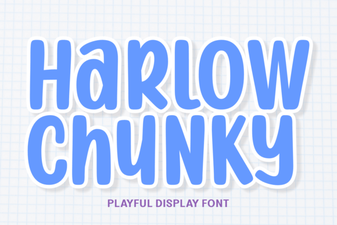 Harlow Chunky Font for Bold Logos and Creative Designs
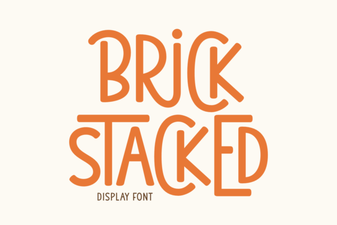 Bold Design Ideas Using the Brick Stacked Font
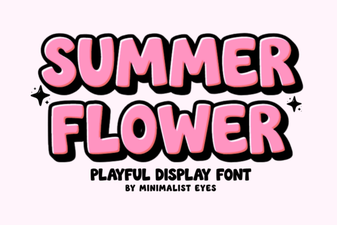 Creative Design Ideas with Summer Flower Font
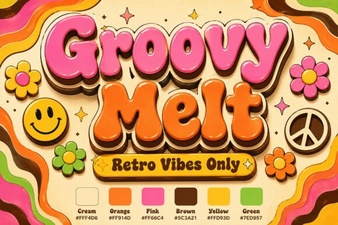 Groovy Melt Font: Retro Typography for Creative Projects
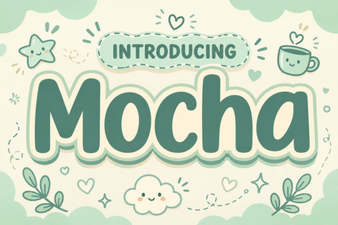 Motcha Font: Creative Typography for Modern Design
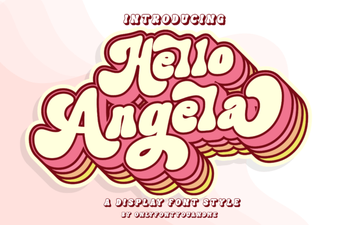 Hello Angela Font: Elegant Typography for Modern Design